Are Your Old Video Games Worth Money? How to Tell Their Value
Yes, some old video games are worth significant money, but age alone doesn't determine value. The most important factors are the game's rarity, condition, completeness, originality, edition, platform, and current collector demand. A common open cartridge may cost just a few dollars, while a rare, original, complete, or sealed copy can fetch hundreds or even thousands of dollars.
The good news is that you don't need to be an expert to accurately estimate your game's value. You can identify the correct version, check its condition, compare recent sales, and then decide whether to keep, buy, or sell it.
Are Old Video Games Really Worth Money?
They can be.
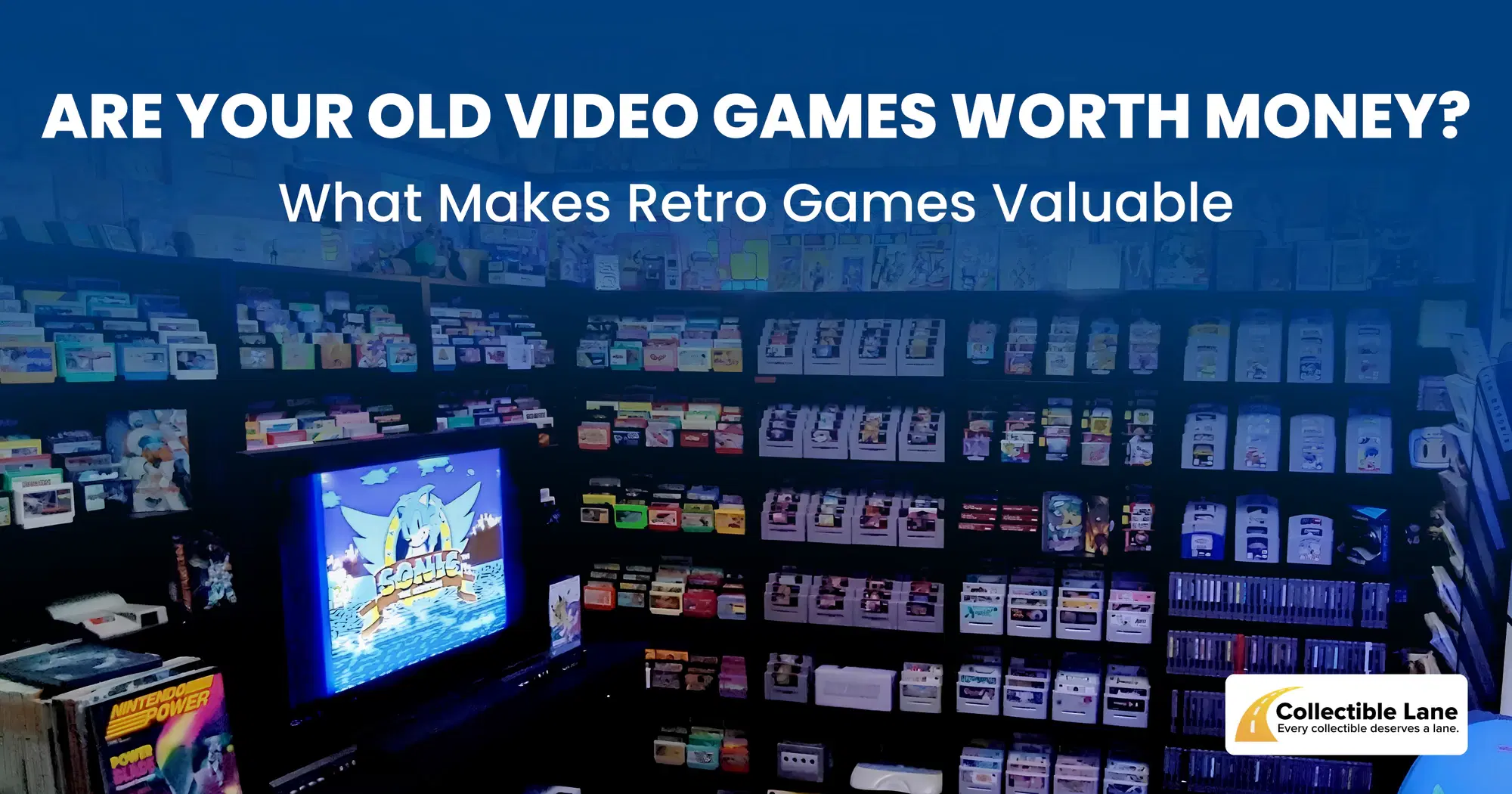
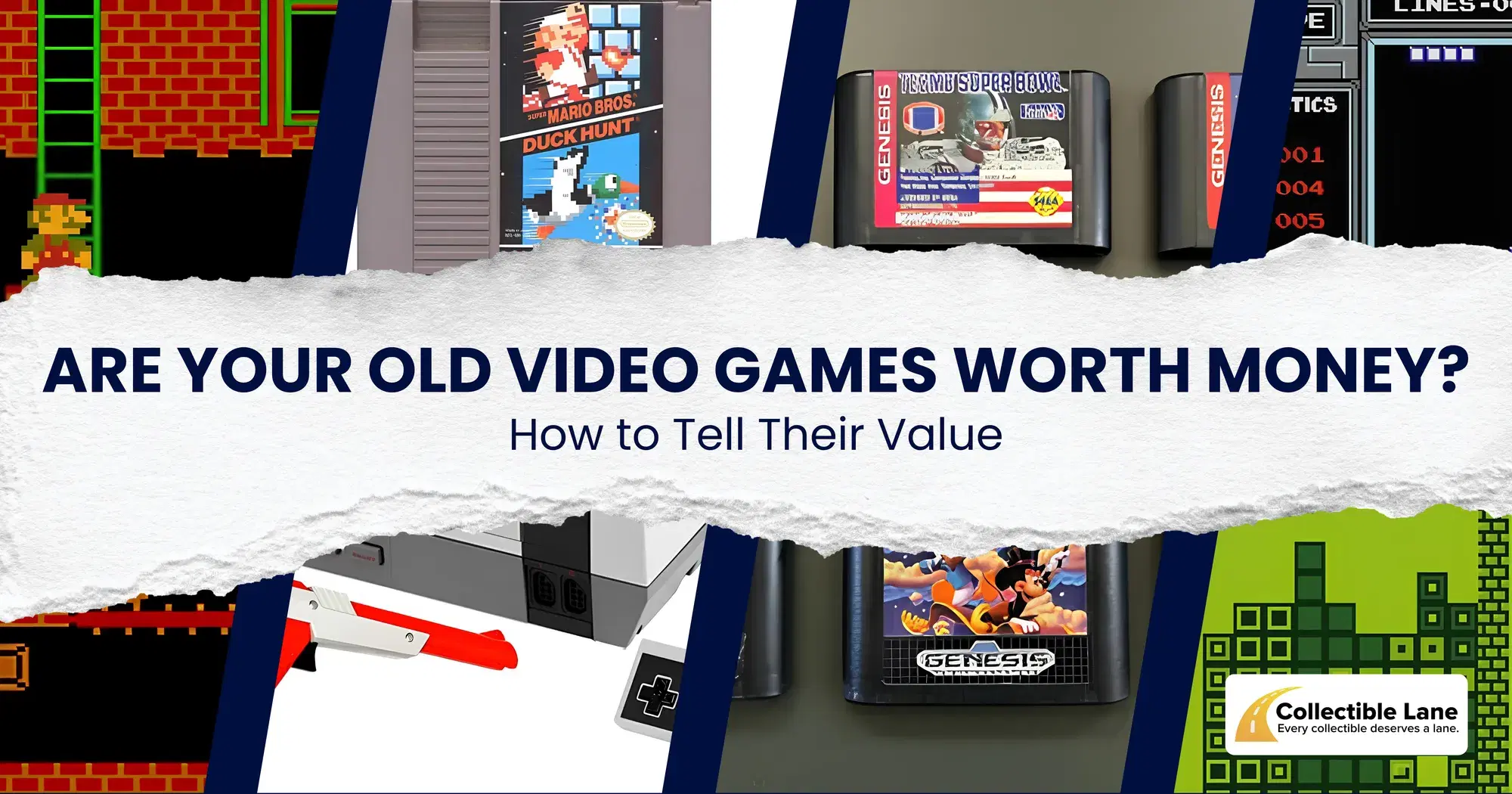
The market for old school video games includes everything from early Atari cartridges and Nintendo games to Sega, PlayStation, Nintendo 64, Game Boy and other classic systems.
However, not every old game is worth collecting. Some popular games saw millions of copies produced, while other titles had smaller releases or became harder to find over time.
For example, Nintendo's history includes major platforms like the NES, Game Boy, and Super NES, which helped spawn multiple generations of games and characters that remain popular with collectors.
The key question isn't simply: “How old is this game?”
It's: “How much do collectors currently want this specific version in this specific condition?”
What Makes an Old Video Game Valuable?
Several factors work together to determine the value of an old video game.
Rarity and availability
A game with a limited number of copies may attract collectors, but rarity alone isn't enough. Demand must also be there.
A truly rare game that few people want may sell for less than a common game with a large collector base.
Condition and completeness
Condition can make a major difference.
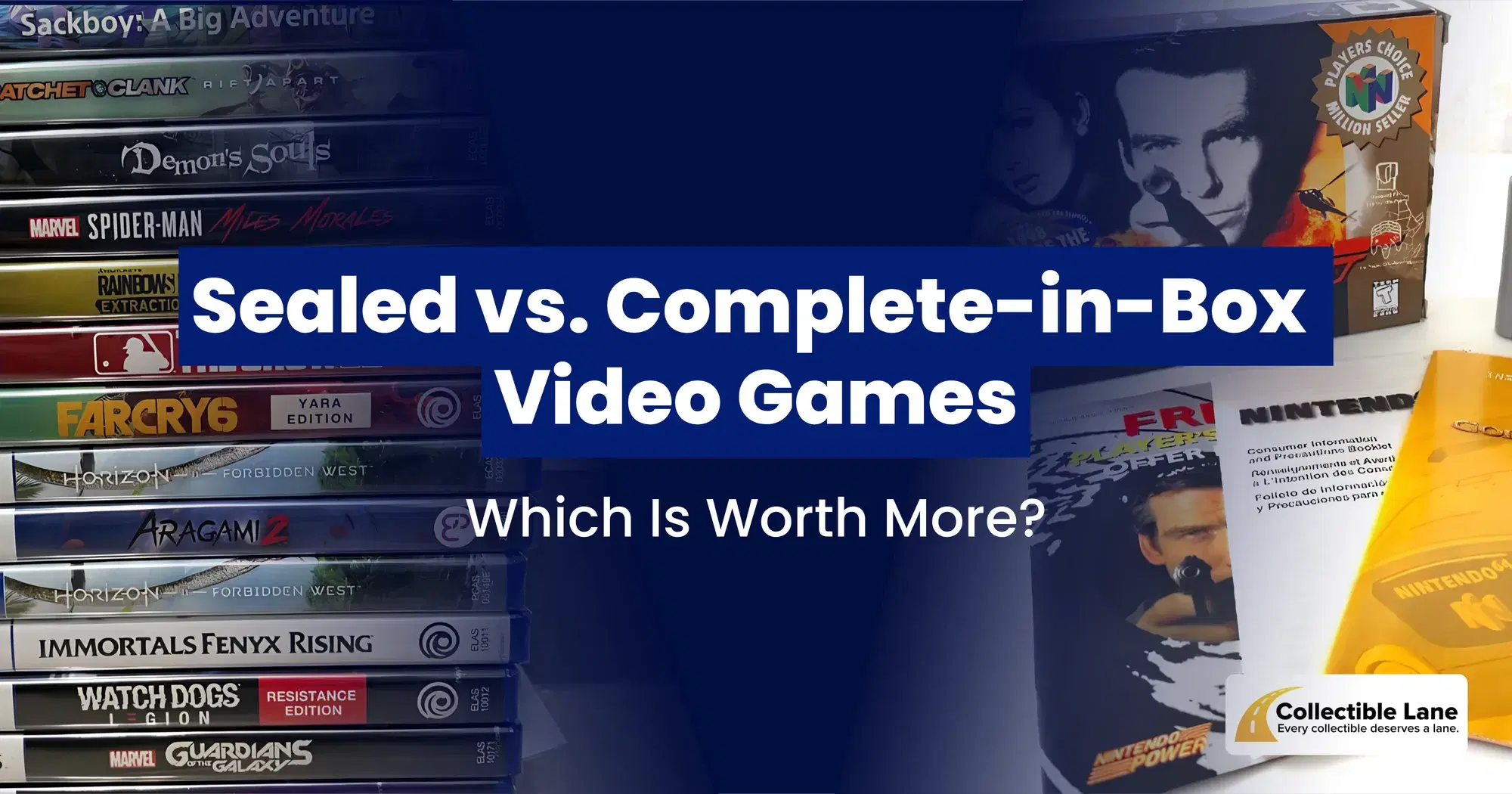
Collectors commonly separate physical games into categories such as:
- Loose: The cartridge or disc by itself.
- CIB (Complete in Box): The original game, packaging and required original contents such as the manual.
- Sealed: Factory-sealed and unopened.
Collectible Lane uses these condition categories when calculating video game prices.
Therefore, a clean CIB copy may be more desirable than a loose cartridge of the same game. When collector demand is high, a sealed copy may fetch an even higher premium.
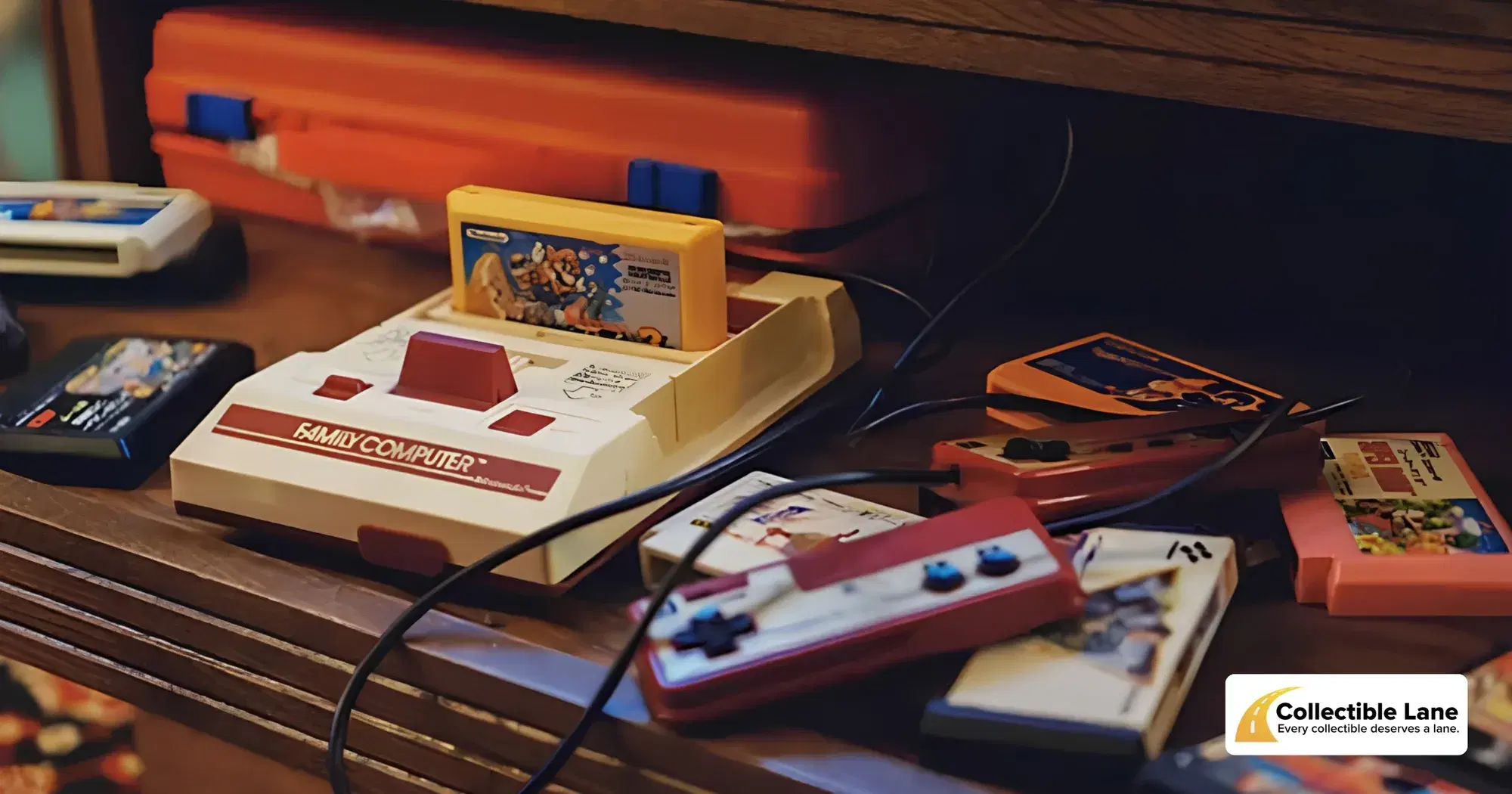
Popularity and collector demand
Games associated with popular franchises, characters, or iconic consoles often have a large audience.
Titles from Nintendo, NES, Pokémon, Mario, Zelda, Sega, and other major gaming brands can attract collectors because people seek them for both nostalgia and collecting.
This is why some of the best video games of all time can still be sought after decades after their release. Popularity creates more potential buyers, though popularity doesn't guarantee a higher price.
Edition, region and variant
Two copies with the same basic title may not be identical.
Check for:
- Region
- Release edition
- Player's Choice or similar variants
- Limited editions
- Promotional versions
- Different cover art
- Special packaging
- Regional releases
Always identify the exact version before comparing prices.
How Can You Tell If Your Old Video Games Are Valuable?
Use this simple process before putting a price on your collection.
1. Identify the exact game and platform
Write down the title, platform, and region.
For example, don't just record "Mario game." Record the exact title and system, such as the NES version of Super Mario Bros.
Also check the cartridge or disc label, product number, box, and other identifying information.
2. Check whether it is loose, CIB or sealed
Separate your collection into condition groups.
Don't compare the price of an open cartridge to a sealed copy, and don't assume the difference is significant just because a seller is asking a high price.
Packaging, manuals, and original inserts can be essential parts of a collector's copy.
3. Compare recent sold prices
This is one of the most important steps.
Don't rely solely on current prices.
A seller may list an old game for $1,000, but that doesn't prove that buyers are actually paying $1,000.
Collectible Lane recommends reviewing the entire listing when pricing an item. Its product research tool also provides information on past sales, including average selling prices, selling price ranges, and sales trends.
When comparing sales, try to match:
- Same game
- Same platform
- Same region
- Same condition
- Same edition
- Similar completeness
Three or more comparable sales are usually more useful than one unusually high sale.
4. Check authenticity and condition
Before assuming you've found a valuable game, make sure it's genuine.
Look for odd labels, incorrect font, poor-quality printing, reproduction boards, replacement cases, or other signs that indicate the item isn't original.
Then check its physical condition. Scratches, damaged labels, torn cases, missing manuals, water damage, and handwriting can all impact collector value.
Do Old Video Game Consoles Have Value?
Yes. Old video game consoles can also be collectible.
A console's value may depend on:
- Model and revision
- Working condition
- Original controller
- Power supply and cables
- Original box
- Manuals and accessories
- Limited or special editions
- Cosmetic condition
- Collector demand
A complete console bundle can be more attractive than a console sold individually because collectors can seek out the original setup rather than just the hardware.
Don't forget accessories either. Original controllers, light guns, memory cards, and other hardware can sometimes be sought after by collectors.
How Should You Buy and Sell Old Video Games?
If you're planning to buy or sell old video games, research the market before making an offer.
When buying, compare recent sales and check the condition and authenticity of the item. A low price may not necessarily be a good deal if the game is incomplete or counterfeit.
When selling, take clear photos and accurately describe the condition. Indicate whether the game is loose, CIB, or sealed, and mention any missing manuals, inserts, damaged packaging, or other defects.
For collector marketplaces like Collectible Lane, accurate information and high-quality product details can also help buyers understand exactly what they're buying.
Most importantly, remember that market value and selling price are not always the same. Fees, shipping, platform selection, timing, and buyer demand can all affect what you'll actually receive.
What Mistakes Should You Avoid When Valuing Old Video Games?
Avoid these common mistakes:
- Assuming everything old is valuable: Age creates interest, but scarcity and demand matter more.
- Using the highest listing as your price: Look at completed sales instead.
- Ignoring condition: A damaged or incomplete copy should not be compared directly with a clean CIB or sealed copy.
- Forgetting the exact variant: Region, edition and packaging can change the market.
- Ignoring authenticity: Rare games are worth verifying before you assign them a premium value.
- Treating one sale as the market price: A single unusually high or low transaction may not represent the normal market.
Frequently Asked Questions About Old Video Game Values
Are old video games worth money?
Some are, but not all. Value depends primarily on demand, rarity, condition, completeness, authenticity, and the specific version of the game.
How do I know if my old video game is valuable?
Identify the correct title and platform, determine whether it's loose, CIB, or sealed, check that it's genuine, and compare it to recently sold copies that are similar.
Are old video game consoles worth anything?
Yes. Older consoles can have collectible value, depending on the model, rarity, working condition, completeness, accessories, packaging, and demand.
Where can I buy and sell old video games?
Collectors can use specialized marketplaces, specialist stores, and reputable online marketplaces. Before buying or selling, compare recent sales and ensure the game's condition and authenticity are clearly stated.
Should I keep or sell my old video games?
It depends on your goals. If a game has a high sentimental value, it may make more sense to keep it. If you have duplicates or items you no longer need, researching their current market value can help you decide whether it's worth selling them.