5 Mistakes New Trading Card Collectors Can Avoid
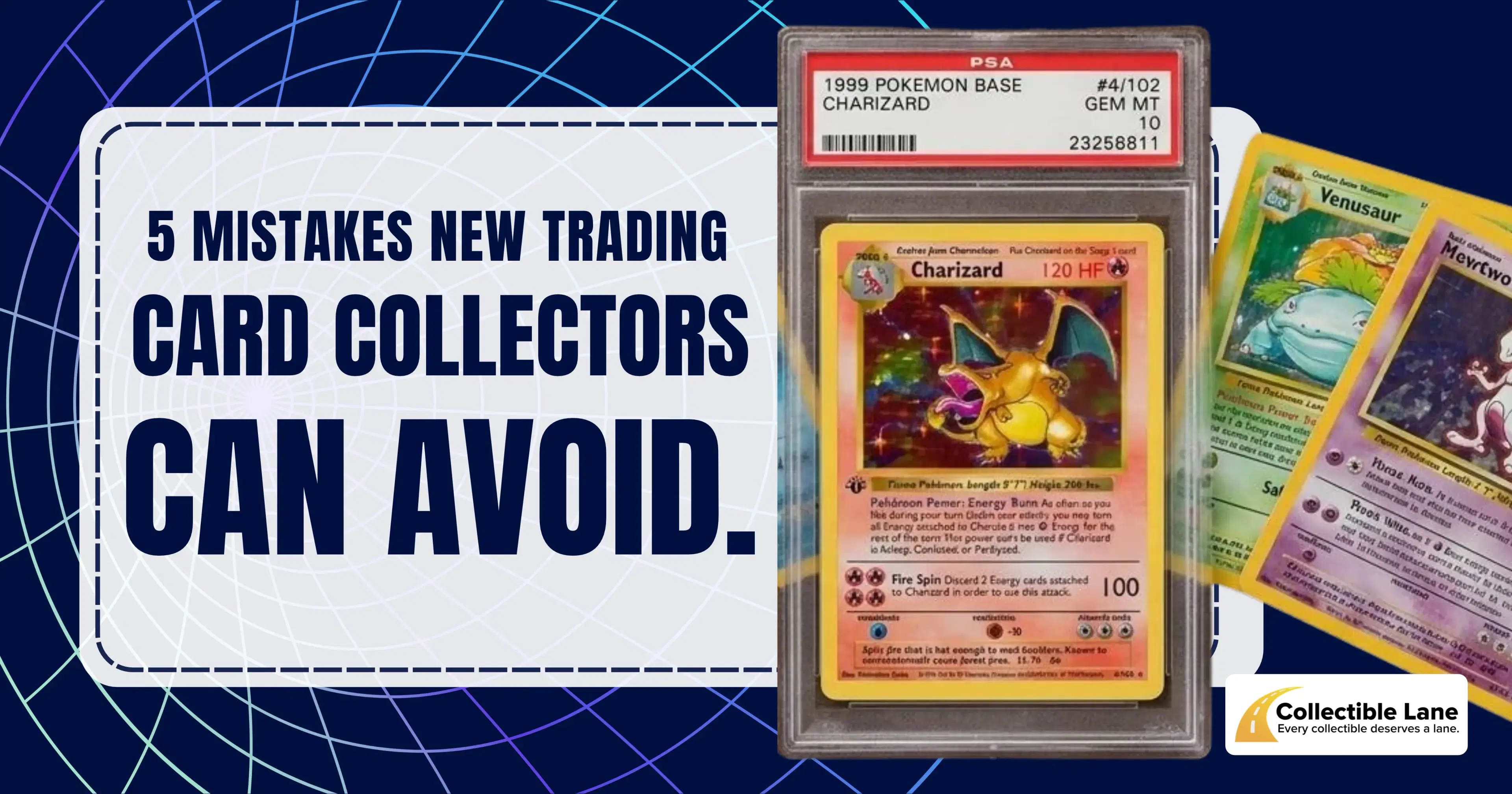
Starting a trading card collection can be exciting, but beginners often make mistakes that cost money, damage valuable cards, or make collecting more complicated than it needs to be. The five biggest mistakes to avoid are buying without research, overlooking card condition and authenticity, overspending, storing cards improperly, and collecting without a clear direction. Understanding these common problems can help new trading card collectors make smarter decisions and build collections they genuinely enjoy.
Whether you are interested in sports trading cards, Pokémon cards, graded collectibles, or other trading card categories, a little preparation can make a significant difference.
1. Buying Trading Cards Without Researching Their Value
One of the most common mistakes beginners make is purchasing cards simply because they look attractive, feature a popular player, or are currently receiving attention from collectors.
However, popularity does not always translate into lasting value.
The value of a trading card can depend on several factors, including rarity, condition, print run, player or character popularity, collector demand, and recent market activity. A card that attracts attention today may not maintain the same demand over time.
For example: A beginner might purchase a newly released sports card because a player is performing exceptionally well. However, if the card has a large print run and plenty of copies are available, its market value may be different from what the buyer initially expected.
How to avoid this mistake:
- Research the card's set, year, edition, and identifying details before purchasing.
- Compare recent sales of the same card rather than relying only on asking prices.
- Check whether the card is rare, limited, numbered, or part of a widely available release.
- Consider its condition and collector demand.
- Avoid rushing into purchases because of temporary excitement.
Taking a few minutes to research before buying can help you make more informed decisions and avoid unnecessary spending.
2. Ignoring Trading Card Condition and Authenticity
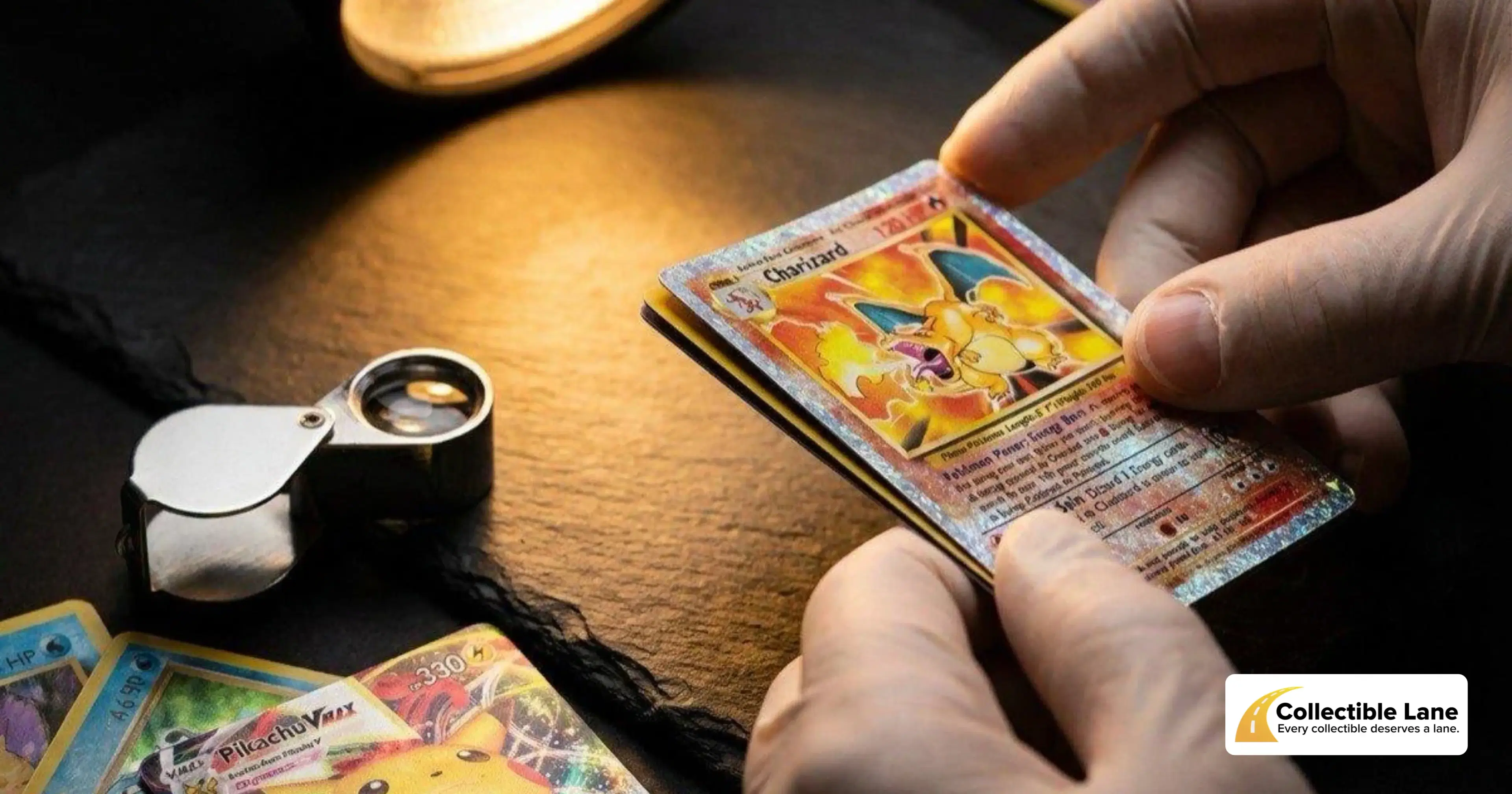
A card's appearance is more than a cosmetic detail. Its physical condition can significantly influence collector interest and potential resale value.
New collectors sometimes focus entirely on the player, character, or rarity while overlooking small imperfections that can affect a card's overall quality.
Common condition issues include:
- Centering: Uneven borders around the card design.
- Corners: Rounded, bent, or damaged corners.
- Edges: Whitening, chipping, or visible wear.
- Surface: Scratches, stains, creases, or printing imperfections.
Professional grading services also consider these characteristics when evaluating cards. For example, PSA's published grading standards assess factors such as corners, centering, focus, gloss, and surface condition.
Authenticity is equally important. Counterfeit cards, altered cards, and misleading listings can create problems for inexperienced collectors.
How to avoid this mistake:
- Examine the front and back of a card carefully.
- Look for unusual printing, inconsistent colors, and suspicious alterations.
- Check the card's identifying information against reliable references.
- Review available condition details before purchasing.
- Consider professionally graded cards when authentication and standardized condition assessment are important to your purchase.
Remember, an attractive card is not necessarily a high-grade card. Learning to recognize condition differences will help you become a more confident collector.
3. Spending Too Much Without Setting a Collecting Budget
The excitement of discovering new cards can make it easy to spend more than intended. Beginners may purchase multiple packs, chase popular releases, or buy expensive singles without considering their overall budget.
This can quickly turn an enjoyable hobby into a financial burden.
A trading card collection does not need to be expensive to be meaningful. Many collectors build interesting collections by focusing on particular players, teams, sports, characters, sets, or personal interests.
For example, instead of purchasing every new sports card release, you could focus on collecting cards featuring your favorite basketball players or building a collection around a particular team.
How to avoid this mistake:
- Set a monthly collecting budget.
- Decide how much you can comfortably spend on individual cards.
- Separate collecting expenses from essential personal expenses.
- Include shipping, taxes, storage supplies, and other purchasing costs.
- Avoid buying cards just because they are trending.
- Keep track of what you spend and what you add to your collection.
It is also important to understand the difference between collecting and investing. Trading cards can fluctuate in value, and future profits are never guaranteed. Buy cards because they interest you, not because you assume every purchase will become more valuable.
4. Choosing the Wrong Storage and Protection Methods
Buying an interesting card is only one part of collecting. Keeping it in good condition is equally important.
One mistake beginners make is leaving cards loose on desks, placing them directly into unsuitable storage materials, or stacking multiple cards without protection. These habits can result in scratches, bent corners, surface damage, and other problems.
Proper storage becomes particularly important when your trading card collection starts growing.
How to protect your trading cards:
- Penny sleeves: Use appropriately sized sleeves to reduce direct handling and surface scratches.
- Top loaders: Place suitable sleeved cards in rigid protective holders to help prevent bending and physical damage.
- Storage boxes: Organize cards in suitable boxes to keep them protected and easy to access.
- Safe handling: Hold cards carefully by their edges and keep your hands clean and dry.
- Controlled environment: Store cards in a cool, dry, stable location away from direct sunlight, excessive heat, and moisture.
The Library of Congress also recommends protective enclosures, stable environmental conditions, and minimal exposure to light for preserving paper-based and photographic collections.
Although trading cards have their own material and manufacturing characteristics, these general preservation principles reinforce why storage conditions and protective materials matter.
Practical tip: Organize your cards by sport, player, team, set, or collection category. This makes it easier to locate individual cards while reducing unnecessary handling.
5. Collecting Without a Clear Goal or Strategy
Another common mistake is purchasing cards randomly without thinking about what you actually want your collection to become.
At first, buying different sports cards, Pokémon cards, rare editions, and newly released products can seem exciting. However, without a general direction, your collection may become difficult to organize and manage.
Having a collecting focus does not mean limiting yourself to just one category. It simply gives your purchases more purpose.
For example, you could focus on:
- Sports trading cards: Collect cards featuring favorite athletes, teams, or memorable sporting moments.
- Pokémon cards: Explore different sets, characters, special editions, and collectible releases.
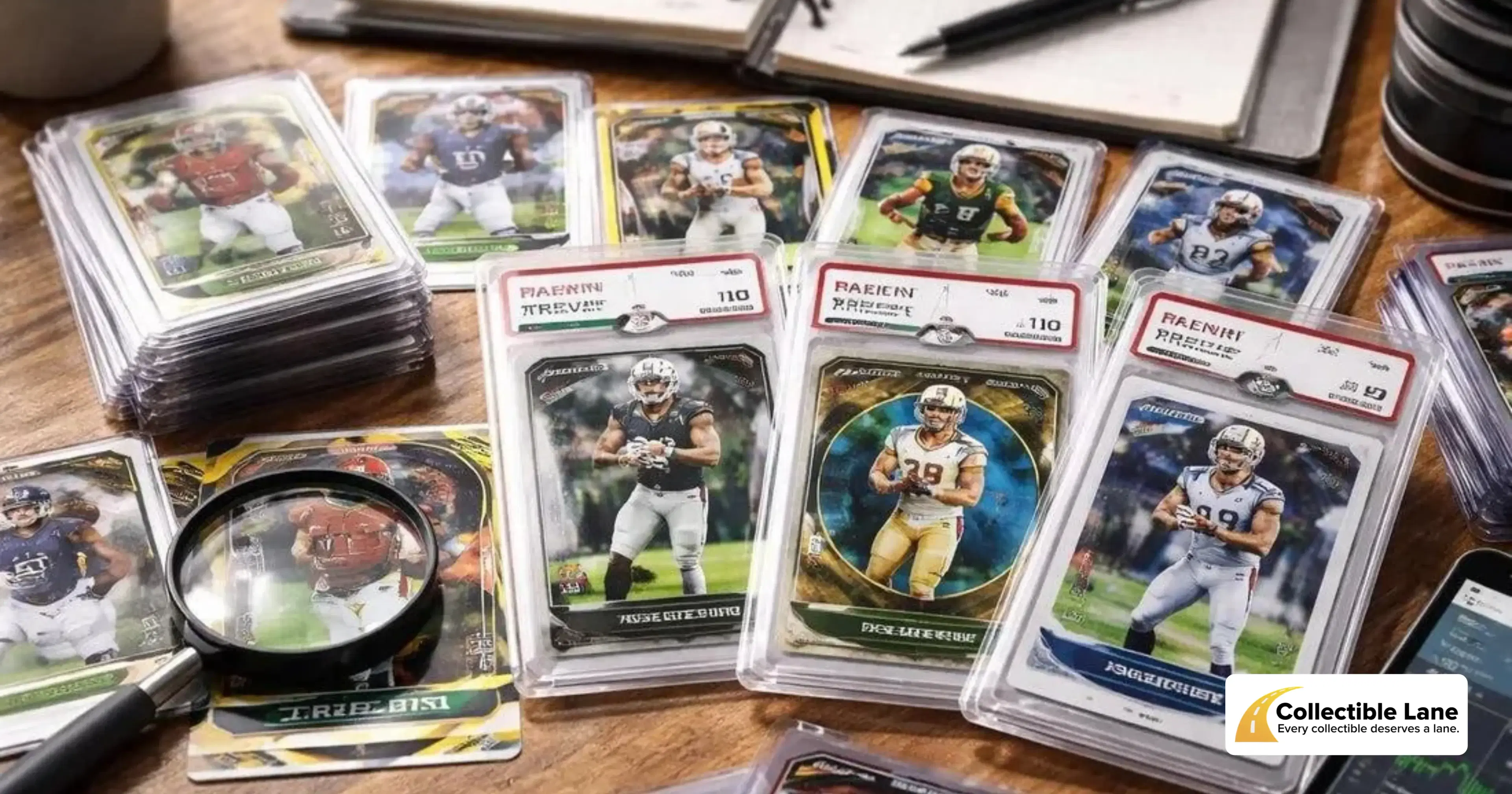
- Graded cards: Build a collection around professionally evaluated cards.
- Vintage collectibles: Explore older releases with historical or personal significance.
- Player collections: Focus on building a collection featuring a particular athlete.
How to build a collection with purpose:
- Decide which categories interest you most.
- Identify the players, teams, characters, or sets you want to collect.
- Set realistic purchasing priorities.
- Maintain a record of your collection.
- Review your collection regularly and adjust your interests as you learn more.
Your collecting interests may change over time, and that is perfectly normal. The goal is to create a collection that reflects your interests rather than purchasing cards without a reason.
How Can New Collectors Make Smarter Trading Card Decisions?
Avoiding these five mistakes is a great starting point, but becoming a confident collector also takes time and experience.
Before making your next purchase, consider these simple questions:
- Do I understand which card I am buying?
- Have I researched its market value?
- Have I checked its condition and authenticity?
- Does the purchase fit my budget?
- Do I have a suitable place to store it?
- Does this card fit my collecting interests?
These questions can help you approach trading card collecting more thoughtfully.
As your knowledge grows, you can explore different card categories, discover new releases, expand your collection, and learn more about buying, selling, and trading collectibles.
Where Can You Explore Trading Cards and Collectibles?
Finding interesting cards is an exciting part of building a collection. However, having a place to explore different categories makes discovering your next addition easier.
Collectible Lane brings together a range of trading cards and collectibles for people interested in growing their collections. Whether you enjoy sports trading cards, Pokémon cards, graded cards, or other collectible categories, you can explore products that match your interests.
As you become more familiar with the collectibles market, you can discover new additions, explore different collecting categories, and develop your own approach to buying, selling, trading, and collecting.
Whether you are making your first purchase or expanding an existing collection, Collectible Lane is a place to explore your passion for trading cards and collectibles.
Frequently Asked Questions About Starting a Trading Card Collection
What should a beginner know before collecting trading cards?
Beginners should understand card condition, authenticity, rarity, market demand, and proper storage. It is also important to establish a budget and choose card categories that genuinely interest them before making frequent purchases.
Are trading cards worth collecting?
Trading cards can be worth collecting for personal enjoyment, nostalgia, sports interests, character appreciation, and potential resale opportunities. However, their market values can fluctuate, so collectors should not assume that every card will increase in value.
How much money should a beginner spend on trading cards?
There is no fixed amount that every beginner should spend. Start with an affordable budget based on your personal finances, and avoid spending money needed for essential expenses. Focus on learning about cards before making larger purchases.
How do you protect trading cards from damage?
Use appropriately sized card sleeves, rigid protective holders, and suitable storage boxes. Keep cards away from direct sunlight, excessive moisture, and high temperatures. Handle them carefully to reduce scratches, fingerprints, and bent corners.
What makes a trading card valuable?
A trading card's potential value depends on factors such as rarity, condition, player or character popularity, edition, print run, historical significance, and collector demand. No single factor guarantees a particular market price.
Final Thoughts
Building a trading card collection should be an enjoyable experience, not a process filled with unnecessary mistakes. Research before buying, pay attention to condition and authenticity, manage your spending, protect your cards, and develop a collecting direction that matches your interests.
Most importantly, remember that a great collection is not simply about how much money you spend or how many cards you own. It is about the cards you enjoy discovering, the interests you develop, and the memories you build along the way.
Explore your interests, make informed choices, and discover your next collectible addition with Collectible Lane.